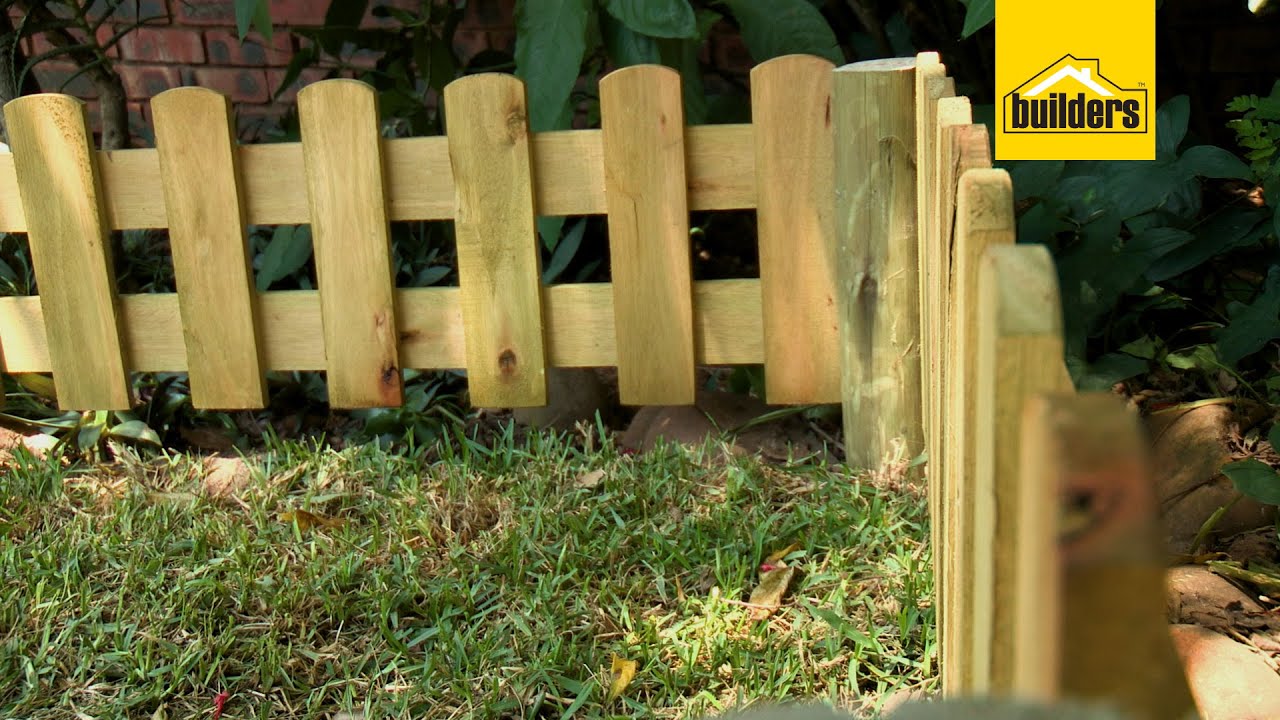
Have you ever wanted to add a touch of charm and elegance to your yard or garden? Well, building a picket fence might just be the perfect project for you! A picket fence not only adds aesthetic appeal to your outdoor space, but it also serves as a practical barrier and provides a sense of security. Whether you’re a seasoned DIY enthusiast or a beginner looking to tackle your first big project, I’m here to guide you through the process with step-by-step instructions. So, grab your tools and let’s get started!
In this article, I’ll walk you through the entire process of building a picket fence from start to finish. I’ll cover everything from gathering the materials you’ll need to the actual construction process. No need to worry if you don’t have much experience in carpentry – I’ll explain everything in a simple and straightforward way. By the end of this article, you’ll have all the knowledge you need to confidently build your very own picket fence.
First things first, let’s talk about gathering the materials. Building a picket fence doesn’t have to break the bank – in fact, it can be done on a budget! I’ll share some tips and tricks to help you source affordable materials without compromising on quality. From the pickets to the posts and everything in between, I’ll guide you on what to look for and where to find it. By knowing exactly what you need and where to get it, you’ll save both time and money.
So, if you’re ready to transform your outdoor space with a charming picket fence, keep reading. In the next section, I’ll dive into the step-by-step instructions on how to build a picket fence from scratch. From marking out the fence line to installing the pickets and adding the finishing touches, I’ll cover it all. Whether you’re looking to enhance the curb appeal of your home or create a safe enclosure for your pets and children, building a picket fence is a rewarding and enjoyable project. Let’s get started!
How to Build a Picket Fence: Step-by-Step Instructions
Building your own picket fence can be a rewarding DIY project that not only adds beauty to your property but also enhances its security and privacy. By following these step-by-step instructions, you will be able to construct a picket fence that is both budget-friendly and aesthetically pleasing. So, gather your materials and get ready to build the fence of your dreams.
Materials needed
Before you begin building your picket fence, it’s important to gather all the necessary materials. Here’s a list of what you’ll need:
Choosing the right wood
When it comes to picking the right wood for your picket fence, durability and aesthetics should be your top considerations. Cedar and redwood are popular choices due to their natural resistance to rot and decay. These woods are also known for their attractive grain patterns and can be left natural or stained to enhance their appearance.
Measuring and calculating materials
Take accurate measurements of the area where you plan to build your fence. Determine the number of pickets, cross rails, corner posts, and support beams you will need based on these measurements. It’s crucial to have an accurate estimate of materials to avoid running out or buying unnecessary extras.
Gathering the necessary tools
To successfully build a picket fence, you will need the following tools:
- Tape measure
- Level
- Post hole digger
- Shovel
- Hammer
- Saw
- Screwdriver
- Drill
- Nails or screws
- Paintbrush or sprayer
- Sealant applicator
Gather these tools before starting your project to ensure a smooth and efficient construction process.
Preparing the ground
Before setting up your picket fence, you’ll need to prepare the ground properly. Follow these steps to ensure a solid foundation for your fence:
Clearing the area
Remove any vegetation, rocks, and debris from the area where your fence will be installed. Clearing the ground will make it easier to dig post holes and ensure that your fence sits securely.
Marking the boundaries
Using stakes and string, mark the boundaries of your fence. This will give you a clear visual guide for where to dig post holes and install your fence. Make sure to account for any gates or entryways in your fence layout.
Digging post holes
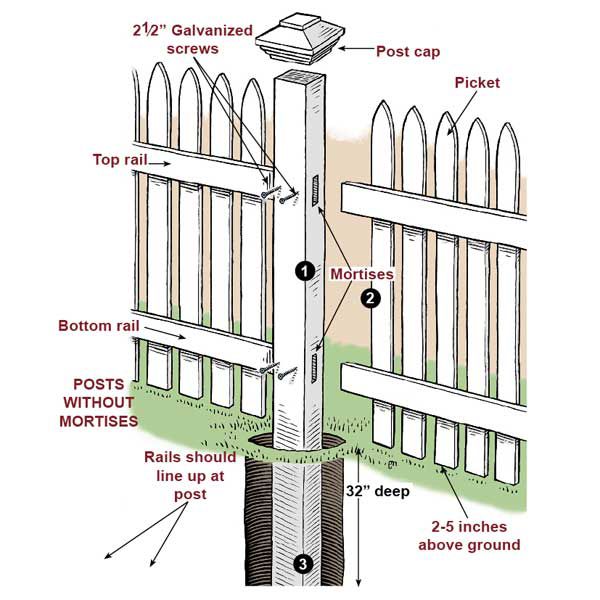
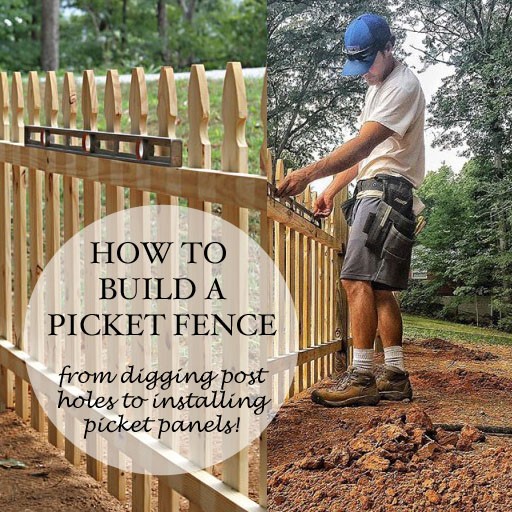
Using a post hole digger, dig holes at regular intervals along the marked boundaries of your fence. The depth and spacing of the holes will depend on the height and style of your fence. Typically, holes should be dug at least 2 feet deep and spaced approximately 6-8 feet apart. Remove any excess soil and make sure the holes are level.
Setting up the fence
Once the ground is prepared, it’s time to set up your picket fence. Follow these steps to ensure a sturdy and visually pleasing fence installation:
Installing the corner posts
Start by installing the corner posts. These posts will provide the framework and stability for your fence. Place each post in a hole and make sure it stands upright. Use a level to ensure that the posts are plumb (vertical) and adjust as necessary. Fill the hole around each post with concrete or gravel to provide additional stability.
Attaching the cross rails
Attach the cross rails to the corner posts, ensuring that they are level and evenly spaced. The number of rails will depend on the height of your fence and personal preference. Secure the rails to the posts using nails or screws, making sure that they are securely fastened.
Adding the pickets
With the framework in place, it’s time to add the pickets. Attach each picket to the rails, making sure they are evenly spaced. Leave a small gap between each picket to allow for expansion and contraction due to changes in weather. Secure the pickets using nails or screws, ensuring they are firmly attached to the rails.
Adding strength and stability
To ensure that your picket fence is strong and stable, it’s important to follow these additional steps:
Installing support beams
For added stability, install support beams between the corner posts. These beams will help distribute the weight of the fence evenly and prevent sagging. Attach the support beams to the corner posts using brackets or other suitable hardware.
Bracing the fence
To prevent the fence from leaning or toppling over, install diagonal braces between the corner posts and support beams. These braces will provide additional support and increase the overall strength of your fence.
Securing the fence posts
Check that all the fence posts are securely fastened in the ground. Use concrete or gravel to fill any gaps around the posts and ensure they are firmly anchored. This step is crucial to prevent the fence from shifting or becoming loose over time.
Finishing touches
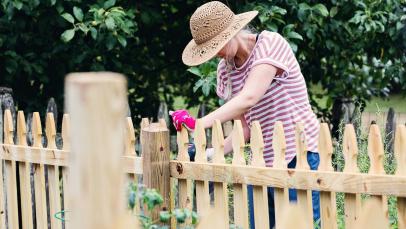
Once the fence structure is complete, it’s time to add the finishing touches that will enhance its appearance and longevity. Consider the following steps:
Painting or staining the fence
Choose a paint or stain color that complements your home’s exterior and personal style. Apply a coat of paint or stain to the entire fence, making sure to cover all exposed wood surfaces. This will not only enhance the aesthetic appeal of your fence but also provide protection against the elements.
Applying a protective sealant
To further protect your fence from moisture and UV damage, apply a clear protective sealant. This will help preserve the natural beauty of the wood and extend the lifespan of your fence.
Adding decorative elements
Consider adding decorative elements such as finials, post caps, or lattice panels to give your picket fence a unique and personalized look. These additions can enhance the overall appeal of your fence and make it stand out in your neighborhood.
Maintaining the picket fence
To ensure the longevity and beauty of your picket fence, regular maintenance is essential. Follow these guidelines for maintaining your fence:
Regular cleaning and inspection
Clean your fence periodically to remove dirt, debris, and mildew. Inspect the fence for any signs of damage or wear and tear, and address any issues promptly to prevent further damage.
Repairing damaged pickets
If you notice any cracked or broken pickets, replace them as soon as possible. This will maintain the structural integrity of your fence and prevent further damage.
Replacing broken hardware
Regularly check the hardware on your fence, such as hinges, latches, and gate handles. Replace any broken or damaged hardware to ensure proper functioning and security.
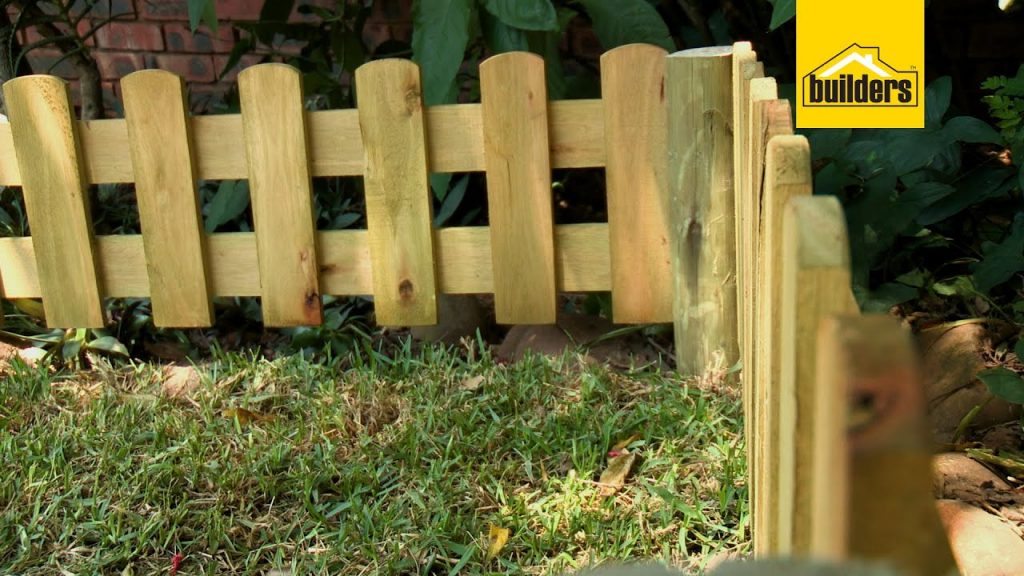
The benefits of a picket fence
Apart from its visual appeal, a picket fence offers several benefits for your property:
Enhancing curb appeal
A well-built and beautifully maintained picket fence can significantly enhance the curb appeal of your home. It adds charm and character, increasing the overall value of your property.
Providing security and privacy
A picket fence acts as a physical barrier, both deterring potential intruders and providing privacy for you and your family. It creates a sense of security while maintaining an open and welcoming atmosphere.
Defining boundaries
A picket fence clearly defines the boundaries of your property, separating it from neighboring properties or public spaces. This can help prevent trespassing and conflicts with neighbors.
Choosing the right design
When selecting a design for your picket fence, consider the following factors:
Traditional vs modern picket fence
Decide whether you prefer a traditional, classic look or a more modern and contemporary style. Traditional picket fences typically have pointed or round-shaped pickets, while modern options may feature square or decorative designs.
Height and spacing considerations
Consider the desired height and spacing of your picket fence. The height will depend on your privacy needs and local regulations, while the spacing should be determined by the level of visibility and aesthetic appeal you desire.
Matching the fence to your home’s style
Choose a picket fence design that complements the architectural style of your home. Whether it’s a Victorian, Craftsman, or modern style, a well-matched fence will seamlessly blend with the overall look of your property.
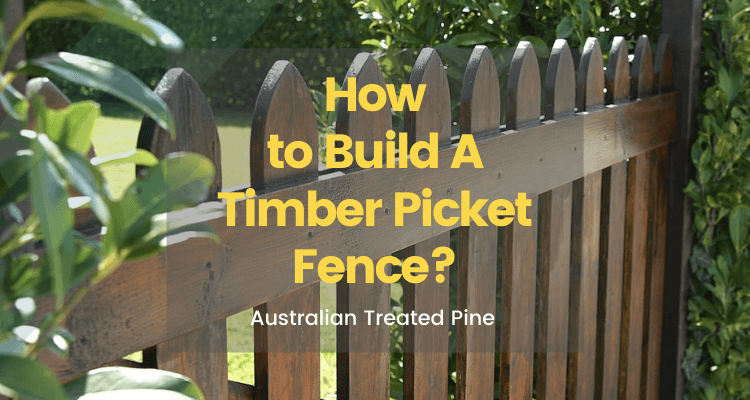
Budget-friendly options
Building a picket fence doesn’t have to break the bank. Consider these budget-friendly options:
Using reclaimed or salvaged materials
Check for local salvage yards or online marketplaces where you can find reclaimed or salvaged wood. Using recycled materials not only reduces costs but also promotes sustainability.
Alternative materials for a cheaper build
If wood is too expensive or not readily available in your area, consider alternative materials such as vinyl or aluminum. These materials offer durability and require less maintenance than traditional wood fences.
DIY vs hiring a professional
Building a picket fence yourself is a cost-effective option. However, if you lack the necessary skills or time, hiring a professional can ensure a high-quality and efficient installation.
Common mistakes to avoid
Avoid these common mistakes when building a picket fence:
Not properly planning the layout
Plan the layout of your fence thoroughly before starting construction. Consider factors such as the topography of your land, easements, and local regulations to avoid costly mistakes.
Forgetting to check local regulations
Before building your picket fence, check with your local authorities for any regulations or permits required. Make sure you adhere to the height restrictions, setback distances, and any other applicable rules.
Neglecting post depth and spacing
Ensure that your fence posts are set to the correct depth and properly spaced. This will prevent your fence from leaning or sagging over time due to soil erosion or changing weather conditions.
Troubleshooting and problem-solving
While building a picket fence, you may encounter some challenges. Here are some common issues and their solutions:
Dealing with uneven terrain
If your property has uneven terrain, adjust the height of the fence posts or use stepped panels to maintain a level fence line.
Fixing loose or wobbly posts
If a fence post becomes loose or wobbly over time, reinforce it by adding additional concrete or gravel around the base. This will help stabilize the post and prevent further movement.
Addressing gaps between pickets
If you notice gaps between your pickets, consider adding additional pickets or adjusting their spacing. This will maintain the visual appeal and privacy of your fence.
Environmental considerations
When building a picket fence, it’s important to consider the environmental impact. Here are some eco-friendly practices to keep in mind:
Choosing sustainable wood options
Opt for sustainably sourced wood, such as FSC-certified or reclaimed wood. This helps minimize deforestation and promotes responsible forestry practices.
Applying eco-friendly finishes
Choose environmentally friendly paints, stains, and sealants that are low in VOCs (Volatile Organic Compounds). These products are safer for both your health and the environment.
Minimizing waste and material usage
Plan your materials carefully to minimize waste. Use precise measurements and consider repurposing or recycling any leftover materials.
Safety precautions
Building a picket fence involves working with tools and potentially hazardous materials. Follow these safety precautions to protect yourself and others:
Wearing appropriate protective gear
When working with tools or chemicals, wear safety glasses, gloves, and a dust mask. This will protect you from potential injuries and exposure to harmful substances.
Working safely with tools
Follow the manufacturer’s instructions and guidelines when using tools. Ensure that they are in good working condition and avoid using them in wet or damp conditions.
Protecting surrounding plants and landscape
Take care to protect any plants, shrubs, or landscape features near the fence construction site. Cover them with tarps or move them out of harm’s way to prevent damage.
Conclusion
By following these step-by-step instructions, you can successfully build a picket fence that is not only functional but also visually appealing. From choosing the right materials to adding the finishing touches, building your own picket fence allows you to create a personalized and secure outdoor space. So, roll up your sleeves, gather your tools, and enjoy the satisfaction of building a beautiful picket fence from start to finish.
