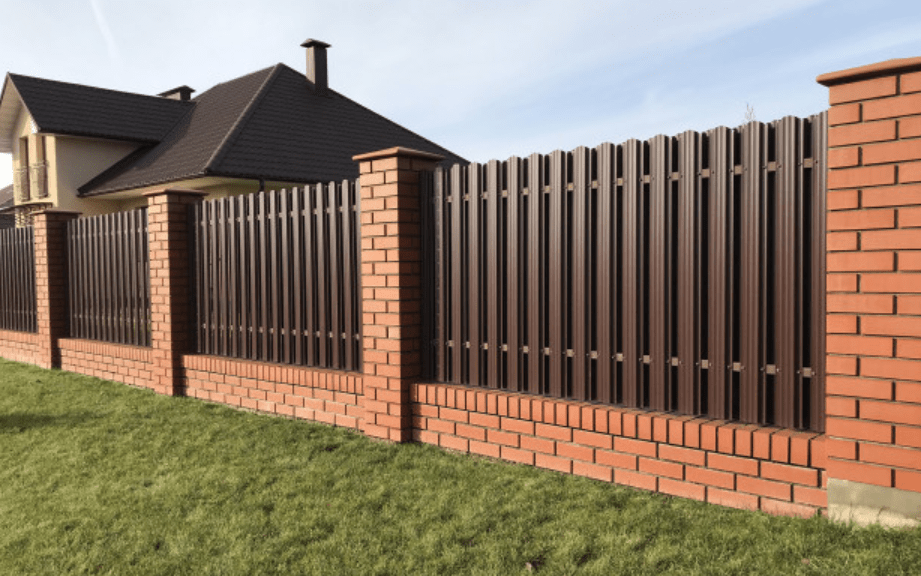
If you’ve ever wondered about the fascinating journey of fences and gates throughout history, then “A Comprehensive Look at the Evolution of Fences and Gates” is the perfect article for you. From the earliest forms of barriers used by ancient civilizations to modern-day innovations, this article takes you on a captivating journey through time, uncovering the ways in which fences and gates have evolved to serve various purposes. Whether you’re a history enthusiast or simply curious about the origins of these structures, this article is sure to offer an engaging and informative exploration of their rich and ever-changing history.
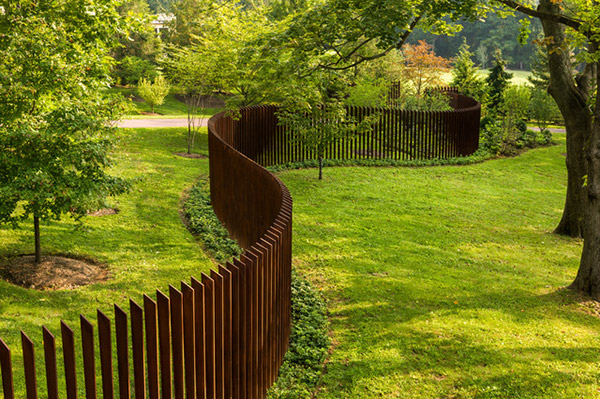
The History and Evolution of Fences and Gates
Fences and gates have played a significant role in civilization for thousands of years, serving various purposes from protection and security to boundary marking and privacy. Over time, these essential structures have evolved and adapted to meet the changing needs of society. From primitive fencing techniques to modern automated gate systems, the history and evolution of fences and gates is a captivating journey that highlights the ingenuity and creativity of human civilization.
The Importance of Fences and Gates
Protection and Security
One of the primary reasons for the existence of fences and gates is providing protection and security. Throughout history, civilizations have recognized the need to fortify their settlements and protect their inhabitants from external threats. Fences, walls, and gates have served as physical barriers, deterring potential invaders and offering a sense of security to those inside.
Boundary Marking
Fences and gates have long been utilized to demarcate boundaries and establish ownership of land. In ancient times, the act of constructing a fence was a clear indication of one’s territory. These structures provided a visible marker, making it easier to enforce property rights and resolve disputes. Even today, fences and gates continue to play a crucial role in establishing boundaries and maintaining property lines.
Privacy and Visual Appeal
As societies developed and communities expanded, the need for privacy increased. Fences and gates have served as means of creating private spaces and delineating personal property. Additionally, aesthetically pleasing fences and decorative gates have been used to enhance the visual appeal of homes, gardens, and public spaces, adding a touch of elegance and charm.
Animal Control
Fences and gates have been vital in controlling and containing animals. From ancient civilizations to modern farmsteads and ranches, fences have been essential in keeping livestock within designated areas and protecting crops from grazing animals. These structures not only ensure the safety and well-being of both animals and humans but also help maintain the harmony between agriculture and the environment.
Primitive Fencing and Gate Systems
Early Barriers and Enclosures
The history of fences and gates dates back to prehistoric times, where early humans constructed simple barriers to keep wild animals at bay and protect their encampments. Natural materials such as tree branches, rocks, and piled earth formed the earliest forms of barricades. While these structures may not have had the sophistication of modern fences and gates, they laid the foundation for future developments in containment and security.
Stone Walls and Wattle Fencing
As civilization progressed, primitive fences evolved to incorporate more durable materials like stone and woven branches. Stone walls became a common sight in ancient civilizations such as Mesopotamia and Egypt, fortifying cities and providing a resilient defense against attackers. In other areas, wattle fencing, made by weaving thin wooden sticks or branches, served as a versatile barrier and was used to enclose livestock or protect crops.
Use of Hedges and Ditches
Hedges and ditches were another primitive yet effective way of fencing and marking boundaries. In medieval Europe, hedges made from fast-growing shrubs, such as hawthorn or hazel, were often used as living fences. These natural barriers not only provided a physical boundary but also offered shelter and aesthetic appeal. Ditches, either filled with water or left dry, were also employed to demarcate areas and impede the movement of both people and animals.
Fencing and Gate Developments in Ancient Civilizations
Egyptian Wall and Gate Systems
Ancient Egypt is known for its engineering marvels, including the construction of elaborate walls and gates. The Great Wall of Giza and the fortifications surrounding cities like Thebes showcased Egypt’s mastery in defensive architecture. These imposing stone structures protected the civilization from external threats and displayed the wealth and power of the Pharaohs.
Greek and Roman Fence Structures
Both ancient Greece and Rome made significant contributions to the development of fencing and gate systems. Greek city-states utilized stone and wooden fences to enclose their agricultural lands and create fortified boundaries. The Romans, renowned for their engineering prowess, introduced the concept of military fortifications and implemented advanced gate mechanisms, such as the famous portcullis, which provided an extra layer of security.

Medieval Fencing and Gate Techniques
Castle Fortifications and Moats
The medieval period saw the rise of castle fortifications, and with them came sophisticated fencing and gate techniques. Castles were surrounded by high stone walls, creating an imposing barrier that was difficult to breach. Additionally, the addition of moats – deep, water-filled ditches – acted as a formidable defense, making it challenging for attackers to approach the castle gates.
Drawbridges and Portcullises
To further fortify castle entrances, drawbridges and portcullises were incorporated into the gate structures. Drawbridges were retractable bridges, often made of wood, that allowed entrance or exit across the moat. Portcullises were massive iron grills that could be lowered to seal the gate opening, providing an additional layer of protection. These innovative features made castle gates almost impregnable and showcased the ingenuity of medieval engineering.
Post-Medieval Fencing Innovations
Picket Fences and Gated Communities
Once castles and fortifications became less prominent, the focus shifted to securing individual properties. Post-medieval periods saw the emergence of picket fences, characterized by evenly spaced vertical boards attached to horizontal rails. Picket fences not only served as a visual boundary but also provided a degree of protection and deterrence. In wealthier communities, gated developments became popular, imposing a sense of exclusivity and security.
Wrought Iron Fences and Ornate Gate Designs
The Renaissance period brought an appreciation for beauty and artistic expression, leading to the introduction of decorative fences and intricate gate designs. Wrought iron fences became fashionable, with their ornate patterns and elegant craftsmanship adorning the gardens and estates of the wealthy. These aesthetically pleasing fencing solutions demonstrated the fusion of functionality and artistry.

Industrial Era Fencing Solutions
Chain Link Fences and Security Gates
With the onset of the industrial era, mass production and advancements in metallurgy revolutionized fence and gate systems. Chain link fences, made from interlocking steel wires, became popular due to their affordability and durability. These versatile fences found widespread use in both residential and commercial applications, providing a secure boundary without obstructing visibility. Accompanied by security gates, often operated manually, the industrial era marked a shift towards standardized fencing solutions.
Barbed Wire Fencing for Agriculture
In the late 19th century, the development of barbed wire brought about a transformation in agriculture and land management. This fencing innovation enabled farmers and ranchers to efficiently enclose large areas, preventing livestock from straying and deterring potential predators. Barbed wire fences not only revolutionized the agricultural industry but also played a crucial role in the settlement of the American West.
Modern Fencing and Gate Trends
Vinyl and Composite Fencing
In recent decades, technological advancements have contributed to the emergence of new fencing materials. Vinyl and composite fencing offer low-maintenance alternatives that are resistant to rot, pests, and weathering. These modern materials provide a cost-effective solution for homeowners seeking durable and attractive fencing options.
Automatic Gates and Access Control
The advent of automation and electronics has transformed the way we interact with fences and gates. Automatic gates, powered by electric motors, provide convenience, security, and enhanced control over access to properties. Access control systems, such as keypads, intercoms, and remote controls, enable seamless entry and exit, making fence and gate operations more efficient and user-friendly.
Green Fencing and Sustainable Materials
As environmental concerns continue to grow, the focus on sustainable fencing materials has increased. Innovations in eco-friendly materials, such as bamboo and recycled plastics, offer viable alternatives to traditional wood and metal fencing. These green fencing options not only reduce the environmental impact but also provide biodegradability and longevity.
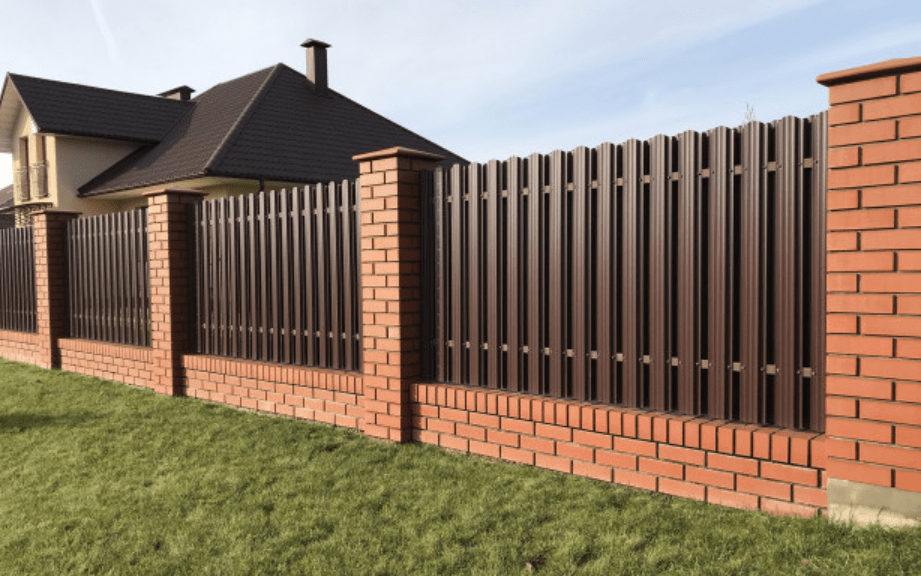
Innovations in Gate and Fence Automation
Remote Control Systems
The introduction of remote control systems has revolutionized gate automation. With the press of a button, homeowners can conveniently open or close their gates from the comfort of their vehicles or homes. Remote control gate systems enhance security by allowing controlled access and reducing the need for physical interaction with the gate.
Smart Security Features
Integrating fences and gates with smart technologies has become increasingly popular. Smart security features include motion sensors, video surveillance, and access control through smartphone applications. These advancements provide homeowners with real-time monitoring and increased control over their property’s security, ensuring peace of mind and enhancing the overall functionality of fences and gates.
Future Trends in Fencing and Gate Technology
Wireless Communication and Integration
The future of fences and gates lies in seamless wireless communication and integration with smart home systems. Imagine a gate that automatically opens upon recognizing the homeowner’s proximity through smartphones or wearable devices. Integration with voice-controlled virtual assistants and cloud-based systems will further enhance the convenience and functionality of fences and gates.
Eco-Friendly and Energy-Saving Solutions
The increasing emphasis on sustainability will guide the future of fencing and gate technology. Innovations in solar-powered gate systems and energy-efficient materials will reduce the carbon footprint associated with fence and gate operations. Additionally, the use of recycled and renewable materials will foster eco-friendly practices without compromising quality and security.
In conclusion, the history and evolution of fences and gates reflect the ever-changing needs and innovations of human society. From primitive barriers and fortifications to modern, automated gate systems, these structures have evolved to provide protection, privacy, and aesthetic appeal to our homes and communities. As technology advances, we can look forward to even more sophisticated and sustainable fencing and gate solutions in the future.