In this article, you will discover the significance of utilizing different materials in fence construction. By exploring various types of materials commonly used in building fences, you will gain a deeper understanding of their unique properties and benefits. From classic options like wood and iron to modern choices such as vinyl and composite, each material plays a crucial role in determining a fence’s durability, aesthetics, and functionality. By the end, you will have a greater appreciation for the importance of selecting the right material for your fence, ensuring it not only enhances your property’s security but also enhances its overall appeal.
Understanding the Importance of Different Materials in Fence Construction
When it comes to building a fence, choosing the right materials is crucial. The materials you select can determine the overall quality, durability, and aesthetic appeal of your fence. With numerous options available, it can be overwhelming to decide which material is best for your specific needs. This article will guide you through the importance of different materials in fence construction and help you make an informed decision.
Factors to Consider When Choosing Fence Materials
Before delving into the types of materials, it’s essential to consider several factors that should influence your decision-making process.
Cost
One crucial aspect to consider is the cost of the fence materials. Each material comes with its own price range, and your budget will play a significant role in determining which option is feasible for you. It’s important to strike a balance between affordability and quality to ensure you get the best value for your money.
Durability
Durability is a key consideration when selecting fence materials. The durability of a fence will affect its lifespan, resistance to harsh weather conditions, and overall maintenance requirements. You want to choose a material that can withstand the test of time and not require constant repairs or replacements.
Maintenance
The level of maintenance required for a fence is another critical factor to consider. Some materials, such as wood, may require regular staining or sealing to maintain their appearance and protect them from rotting or warping. Others, like vinyl or metal, may be low maintenance and only need occasional cleaning. Consider the amount of time and effort you’re willing to invest in maintaining your fence.
Aesthetics
The aesthetic appeal of your fence plays a significant role in enhancing the overall look of your property. Different materials provide varying aesthetic styles, and it’s important to choose a material that complements the architectural style of your home. Whether you prefer a rustic wooden fence or a sleek modern look, selecting the right material is crucial to achieve your desired aesthetic.
Security
If security is a top priority for you, it’s important to select a material that provides the level of security you require. Some materials, like chain link or wrought iron, offer greater protection and can help deter unwanted intruders. Consider the security features provided by each material to ensure you choose the one that meets your needs.
Privacy
Privacy is often a significant consideration for homeowners as they seek to create a private oasis in their backyard. Certain materials, such as wood or vinyl, provide excellent privacy due to their solid construction. Others, like chain link or metal, may require additional privacy features, such as privacy slats or panels. Evaluate the level of privacy each material offers to ensure your fence meets your privacy needs.
Environmental Impact
With increasing concerns about sustainability and environmental impact, it’s important to consider the eco-friendliness of the materials you choose. Some materials, such as bamboo or composite, are considered more environmentally friendly due to their renewable or recycled content. If minimizing your carbon footprint is important to you, research the environmental impact of each material before making a decision.
Types of Materials Used in Fence Construction
There are various materials commonly used in fence construction, each with its own unique characteristics and benefits. Let’s explore some of the most popular options:
Wood
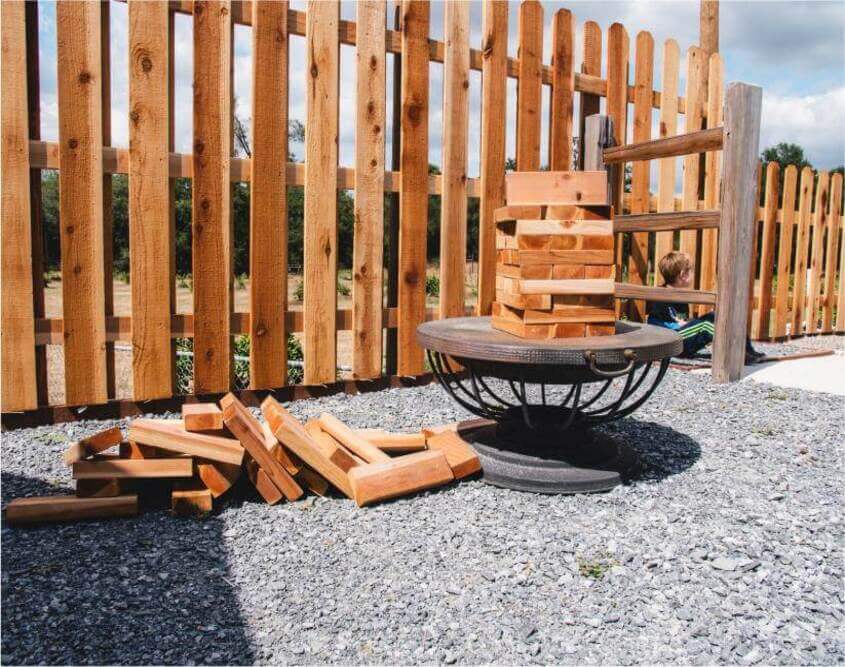
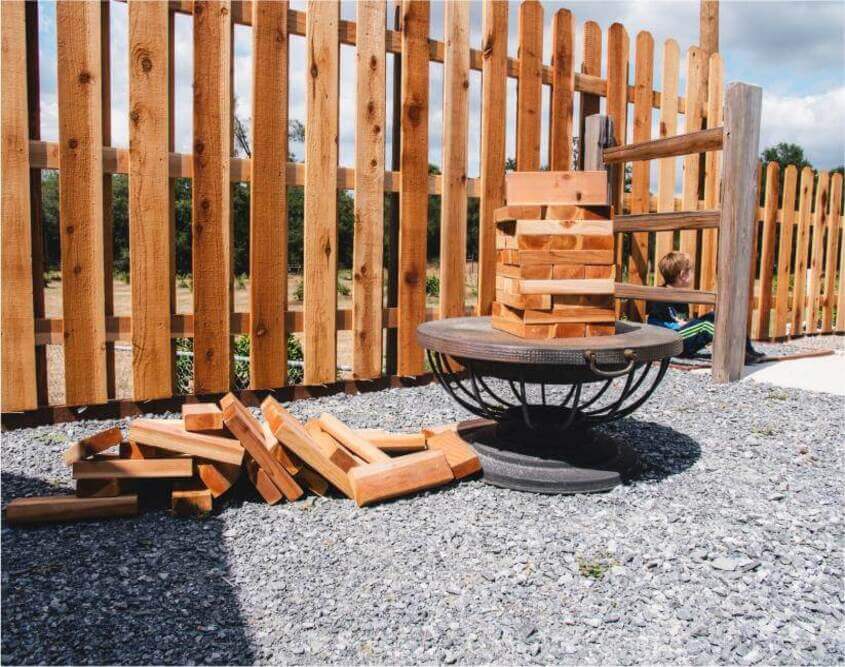
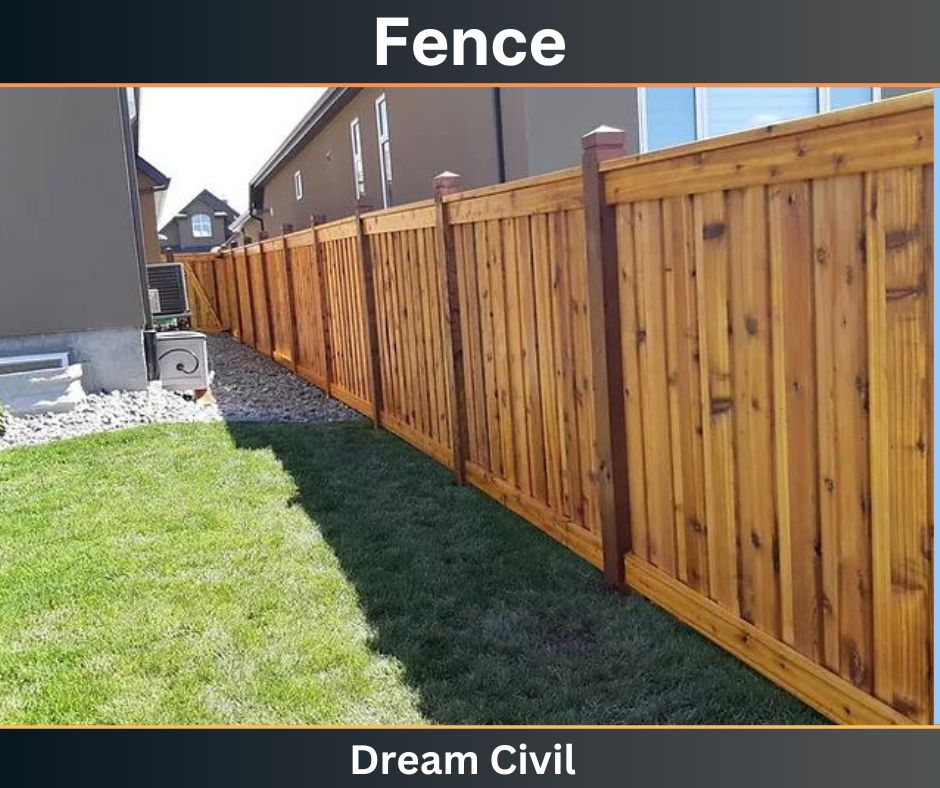
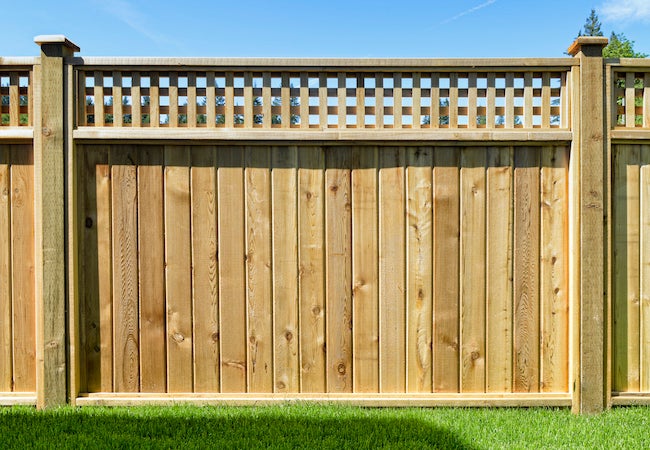
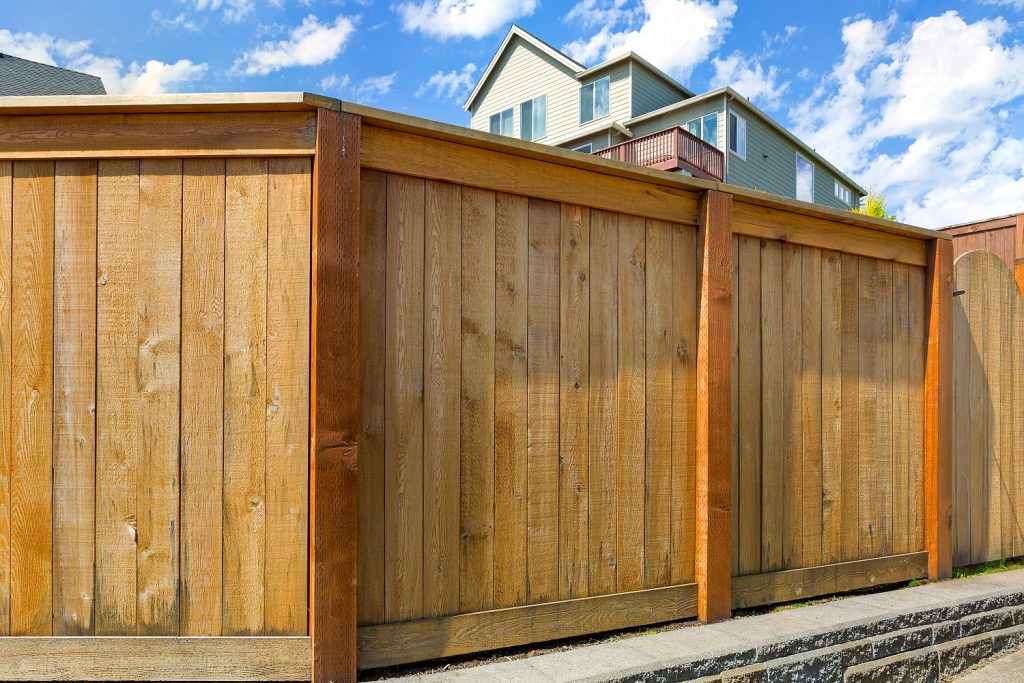
Wood is a classic and popular choice for fencing due to its natural beauty and versatility. It can be customized to fit your desired style, whether it’s a traditional picket fence or a modern horizontal design. While wood provides a warm and inviting aesthetic, it may require regular maintenance to protect it from weather damage and pests.
Vinyl
Vinyl fences have become increasingly popular due to their durability and low maintenance requirements. They are available in a wide range of styles, colors, and textures, allowing homeowners to achieve different looks without the need for regular painting or staining. Vinyl fences are resistant to rot, warping, and fading, making them an excellent long-term investment.
Metal
Metal fences, such as aluminum or wrought iron, offer durability, strength, and security. They provide a timeless and elegant look, making them suitable for both residential and commercial properties. Metal fences are highly customizable and can be designed to match various architectural styles. However, they may require occasional maintenance, such as repainting or rust prevention.
Chain Link
Chain link fences are known for their affordability and practicality. They are commonly used in commercial settings, sports fields, or as a boundary marker. Chain link fences are low maintenance, provide visibility, and offer a level of security. While they may not offer much privacy, they can be enhanced with privacy slats or panels for added seclusion.
Composite
Composite fences are a blend of recycled wood fibers and plastic, making them an environmentally friendly option. They resemble the appearance of wood but require minimal maintenance. Composite fences are resistant to rot, fading, and insect damage, making them a durable choice. They are available in various colors and styles, allowing you to achieve a customized look.
Bamboo
Bamboo fences provide a unique and natural aesthetic, making them an excellent choice for those seeking an eco-friendly option. Bamboo is a fast-growing and renewable resource, making it a sustainable choice. While bamboo fences offer limited privacy, they create a beautiful backdrop and can be used for decorative purposes or to define a specific area in your yard.
Concrete
Concrete fences offer durability and security. They are commonly used in commercial or industrial settings due to their strength and ability to withstand harsh weather conditions. Concrete fences can be customized with various textures and designs to enhance their aesthetic appeal. However, they may require professional installation due to their weight and complexity.
Wrought Iron
Wrought iron fences are known for their elegance and timeless beauty. They provide excellent security and durability while adding a touch of sophistication to any property. Wrought iron fences can be custom-designed to match any architectural style and are available in various heights and designs. They may require periodic maintenance, such as repainting or rust removal, to keep them in optimal condition.
Aluminum
Aluminum fences offer the look of wrought iron but with lower maintenance requirements. They are durable, lightweight, and resistant to rust and corrosion. Aluminum fences are available in numerous styles, colors, and heights, allowing you to choose the one that complements your property. They are also a cost-effective alternative to wrought iron.
Choosing the Right Fence Material for Your Needs
Now that you are familiar with the various materials used in fence construction, it’s important to consider your specific needs before making a final decision.
Considerations for Residential Fences
For residential properties, factors such as aesthetics, privacy, and cost are key considerations. If you prioritize aesthetics and a natural look, wood or vinyl might be ideal choices. However, if privacy and low maintenance are important, vinyl or composite fences could be better options. Consider your budget, desired level of privacy, and maintenance requirements when choosing the right material for your residential fence.
Considerations for Commercial Fences
When it comes to commercial properties, factors such as security, durability, and visibility are crucial. Chain link fences are often used for commercial purposes, as they provide security while maintaining visibility. However, metal fences like aluminum or wrought iron offer a more refined and elegant look, suitable for businesses seeking to enhance their curb appeal and professionalism.
Different Types of Fence Styles and Designs
Apart from the materials, fence styles and designs also play a significant role in achieving the desired look for your property. Let’s explore some common types:
Traditional
Traditional fence styles, such as picket fences or split rail fences, evoke a sense of nostalgia and charm. They are typically made of wood or vinyl and provide a classic and timeless aesthetic.
Contemporary
Contemporary fence designs focus on clean lines and minimalist aesthetics. They often feature sleek materials like metal or composite and offer a modern and stylish appearance.
Rustic
Rustic fences, commonly crafted from wood or bamboo, embrace a natural and organic appeal. They are often used in rural settings or to create a cozy and inviting atmosphere.
Privacy
Privacy fences are designed to provide maximum seclusion and are typically taller and solid. Wood, vinyl, or composite materials are commonly used to achieve this level of privacy.
Decorative
Decorative fences are designed to add visual interest and enhance the overall curb appeal of a property. They often feature intricate designs, patterns, or decorative elements.
Conclusion
Choosing the right materials for fence construction is crucial in achieving a fence that meets your needs in terms of cost, durability, maintenance, aesthetics, security, privacy, and environmental impact. By considering these factors and exploring the various materials available, you can make an informed decision that will enhance the beauty, functionality, and overall value of your property. Whether you opt for wood, vinyl, metal, or any other material, remember to consider your specific requirements and select a material that aligns with your preferences and budget.