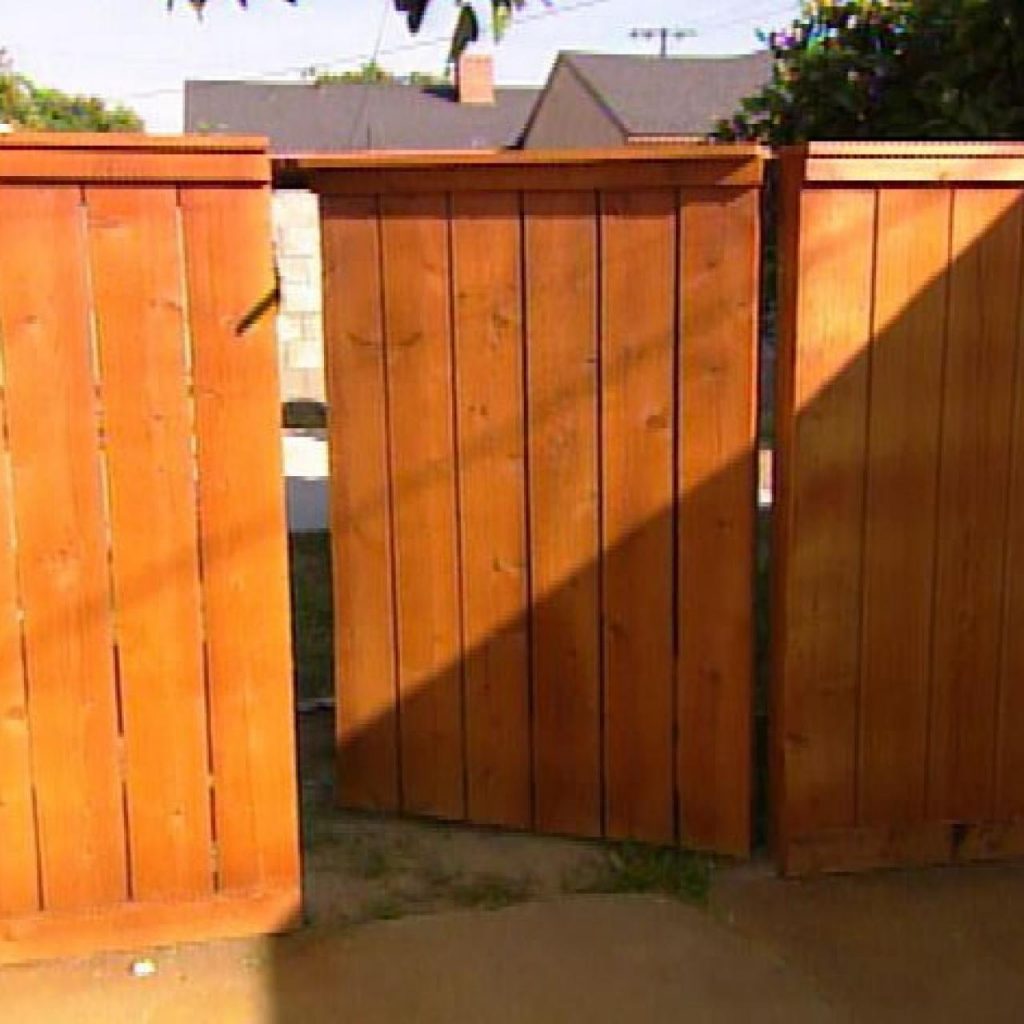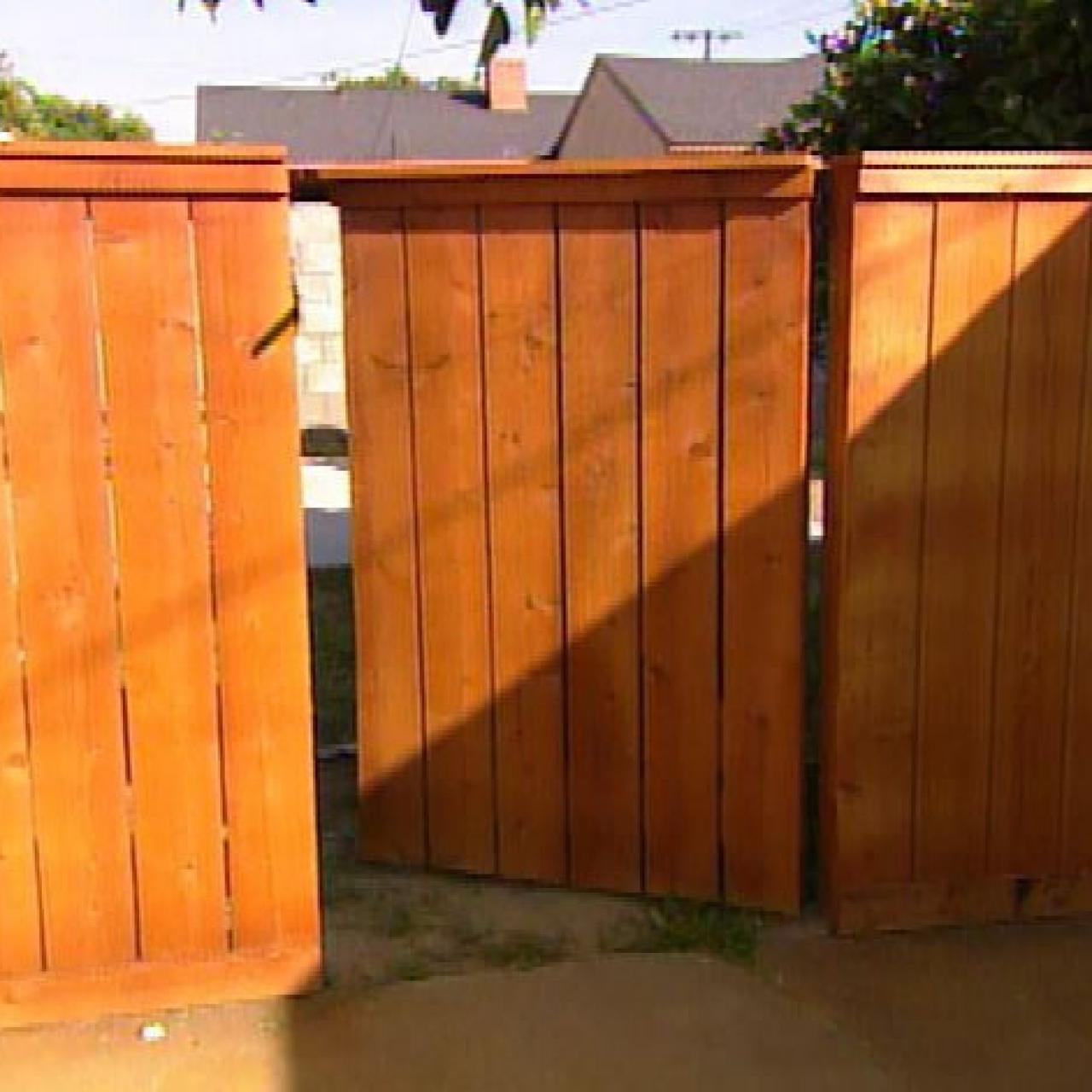
Are you ready to embark on a journey of woodworking and construction? Look no further! In this ultimate guide, you will find all the tips and tricks you need to successfully build your very first wooden gate. From choosing the right materials to mastering the essential techniques, this comprehensive guide will empower you to create a beautiful and functional gate that enhances the aesthetics and security of your property. Whether you’re a beginner or a seasoned DIY enthusiast, this guide is designed to help you step-by-step on your woodworking adventure. So grab your tools and let’s get started on this exciting project!
The Ultimate Guide to Building Your First Wooden Gate
Choosing the Right Wood
Understanding Wood Types
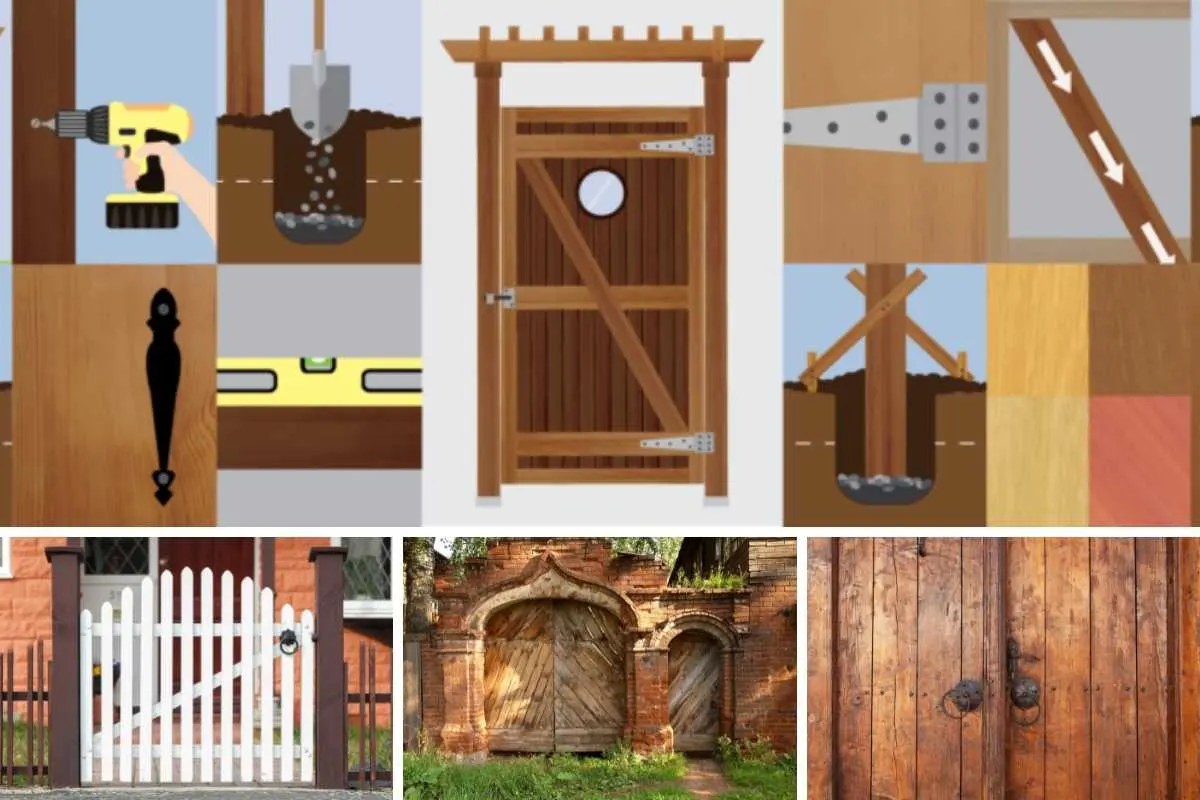
When it comes to building a wooden gate, choosing the right type of wood is crucial. Different wood species have different characteristics and levels of durability. Some common choices for wooden gates include cedar, redwood, and pressure-treated pine.
Cedar is a popular choice because of its natural resistance to decay, insect infestations, and rot. Redwood is another excellent option known for its natural resistance to moisture and durability. Pressure-treated pine is a budget-friendly choice that has been chemically treated to resist rot and insects.
Understanding the different qualities of each wood type can help you make an informed decision based on your specific needs and preferences.
Considering Durability and Weather Resistance
When building a wooden gate, durability and weather resistance are important factors to consider. Whether your gate will be exposed to harsh sunlight, heavy rain, or extreme temperatures, choosing a wood that can withstand these conditions is essential.
Cedar and redwood are both known for their natural resistance to decay and weathering, making them excellent choices for outdoor projects such as gates. Pressure-treated pine, on the other hand, may require additional sealing or staining to enhance its weather resistance.
By carefully considering the durability and weather resistance of different wood types, you can ensure that your wooden gate will be able to withstand the test of time and the elements.
Sourcing Sustainable Materials
In today’s environmentally conscious world, sourcing sustainable materials has become increasingly important. When choosing wood for your gate, consider selecting materials that come from sustainably managed forests or have been certified by organizations like the Forest Stewardship Council (FSC).
Sustainable wood options include reclaimed wood, which is salvaged from old structures, or wood certified as sustainably harvested. By choosing sustainable materials, you can contribute to the preservation of forests and reduce your environmental impact.
Gathering the Necessary Tools and Materials
Essential Tools for Building a Wooden Gate
Before starting your wooden gate project, it’s important to gather all the necessary tools. Some essential tools you’ll need include a tape measure, circular saw or miter saw, drill, screwdriver or nail gun, level, and a sturdy workbench or sawhorses. These tools will help you accurately measure, cut, and assemble the various components of your gate.
Wood and Hardware Materials
In addition to the essential tools, you’ll need to gather the wood and hardware materials required for building a wooden gate. This includes the main gate frame pieces, pickets or boards, hinges, latches, screws or nails, and any additional decorative elements you plan to incorporate.
Choosing high-quality wood and durable hardware materials will ensure the longevity and functionality of your gate. Consider using corrosion-resistant screws or galvanized nails to avoid rusting over time.
Additional Materials for Finishing Touches
To enhance the appearance and protect your wooden gate against the elements, you may want to consider additional materials for finishing touches. This includes wood stains or paints, sealants, and brushes or rollers for application. Applying a protective sealant or finish can help prevent moisture penetration and extend the lifespan of your gate.
Measuring and Planning
Determining the Gate Size
Before building your wooden gate, it’s essential to determine the appropriate size for your specific needs and space. Measure the width of the opening where you plan to install the gate and consider factors such as clearance requirements and ease of passage.
Take precise measurements to ensure that your gate fits correctly and functions smoothly. It’s always better to double-check your measurements and make necessary adjustments before moving forward with the construction.
Calculating the Correct Spacing for Pickets
If your gate design incorporates pickets, calculating the correct spacing is essential for both aesthetic appeal and functionality. Measure the width of your pickets and determine the desired gap between them. Consider factors such as privacy requirements and any local building codes that may specify picket spacing.
Depending on your design preference, you can opt for evenly spaced pickets or create a pattern by spacing them differently. Sketching out the picket spacing on a piece of paper or using a digital design tool can help you visualize the final look before installation.
Sketching Out the Design
Before diving into the construction of your wooden gate, it’s helpful to sketch out the design on paper or using a digital design tool. This will allow you to visualize the overall look and ensure that it aligns with your preferences and the style of your property.
Consider elements such as the gate’s height, shape of the top rail, or any decorative accents you plan to incorporate. A detailed sketch will serve as a guide throughout the construction process and minimize any potential errors or misunderstandings.
Building a Solid Gate Frame
Understanding Different Frame Styles
The gate frame provides essential structural support and stability to your wooden gate. Understanding different frame styles can help you select the one that suits your aesthetic preferences and functional requirements.
Some common frame styles include a basic rectangular frame, an arched top frame, or a framed lattice design. Each style has its unique characteristics and can complement different architectural styles or personal preferences.
Measuring and Cutting the Frame Pieces
Once you have decided on the frame style, it’s time to measure and cut the frame pieces. Use the measurements you determined earlier to cut the top and bottom rails, as well as the vertical support pieces.
Accuracy is crucial when cutting the frame pieces to ensure a seamless and sturdy construction. Make sure to double-check your measurements and utilize appropriate safety precautions while operating power tools.
Assembling the Frame with Screws or Nails
After cutting the frame pieces, it’s time to assemble the gate frame. Depending on your preference, you can use screws or nails to secure the frame pieces together. Using corrosion-resistant screws or galvanized nails will help prevent rusting over time.
Make sure the frame is square and level as you tighten the screws or drive the nails. An uneven or misaligned frame can affect the functionality of the gate and compromise its stability.
Selecting and Installing the Pickets
Choosing the Right Pickets
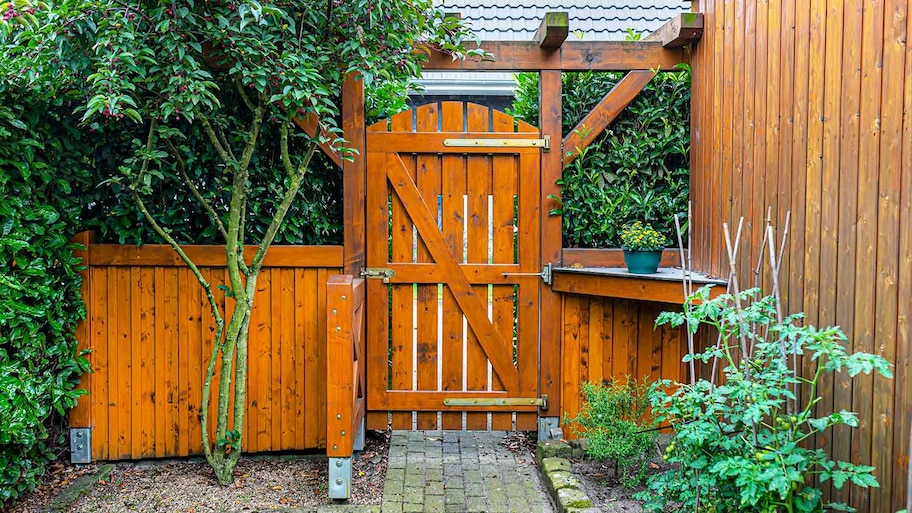
Pickets not only provide an additional layer of security and privacy but also contribute to the aesthetic appeal of your wooden gate. When selecting pickets, consider the desired height, width, and material.
Common options for picket materials include wood, vinyl, or metal. Wood pickets offer a classic and natural look, while vinyl and metal pickets often require less maintenance. Choose pickets that align with your personal style and the overall design of your gate.
Calculating and Marking the Picket Spacing
Once you have chosen the pickets, it’s time to calculate and mark the picket spacing on the gate frame. Measure the width of each picket and the desired gap between them.
Using a tape measure and a pencil, mark the locations where each picket will be attached to the frame. This will ensure even spacing and a visually pleasing finish.
Attaching the Pickets to the Frame
With the picket spacing marked on the frame, it’s time to attach the pickets. Depending on your preference, you can use screws or nails to secure each picket to the frame.
Ensure that each picket is level and straight as you attach them. It’s recommended to start from the center and work your way outwards, ensuring an evenly spaced and appealing final result.
Adding Support and Stability
Installing Cross Braces for Added Strength
To enhance the stability and strength of your wooden gate, consider installing cross braces. Cross braces are diagonal wooden supports that prevent the gate from sagging over time. They distribute the weight evenly and maintain the gate’s structural integrity.
Measure and cut the cross braces, ensuring that the angle of each brace matches the gate’s design. Attach the cross braces securely to the gate frame, preferably using screws or nails.
Attaching Hinges and Latches
Hinges and latches are essential components for any functional gate. Choose high-quality hinges that can support the weight of your gate and withstand continuous use. The number of hinges required will depend on the size and weight of your gate.
Attach the hinges to the gate frame, ensuring they are level and securely screwed or bolted in place. Test the gate’s swing to ensure smooth operation before attaching the latch or lock.
Ensuring Proper Alignment and Smooth Operation
Before completing the gate installation, ensure proper alignment and smooth operation. Check that the gate swings open and closed easily without any obstructions or misalignment.
Make any necessary adjustments to the hinges or latch to ensure a tight fit and smooth operation. This will not only enhance the functionality of your gate but also prolong its lifespan.
Applying Finishes and Sealants
Preparing the Wood Surface
To protect your wooden gate against the elements and enhance its appearance, proper surface preparation is essential. Start by sanding the wood surface to smooth out any rough spots or imperfections.
Clean the surface thoroughly to remove any dust or debris that could interfere with the application of finishes and sealants. A clean and smooth surface will ensure better adhesion and absorption of the protective products.
Choosing the Right Finish for Your Gate
There are various finish options available for wooden gates, including stains, paints, or natural oil-based finishes. Each offers different levels of protection and aesthetic appeal.
Stains enhance the natural beauty of wood, while paints can add a pop of color or match the existing color scheme of your property. Natural oil-based finishes provide protection while allowing the wood grain to show through. Choose a finish that best suits your preferences, considering both aesthetic and functional factors.
Applying a Protective Sealant
Applying a protective sealant is the final step in finishing your wooden gate. A sealant helps prevent moisture penetration, rot, and damage caused by the sun’s UV rays.
Before applying the sealant, make sure the wood surface is clean and dry. Follow the manufacturer’s instructions for application and drying times. Apply the sealant evenly using a brush or roller, paying special attention to the end grain, where moisture penetration is most likely to occur.
Enhancing the Gate’s Appearance with Decorative Elements
Adding Finials or Toppers
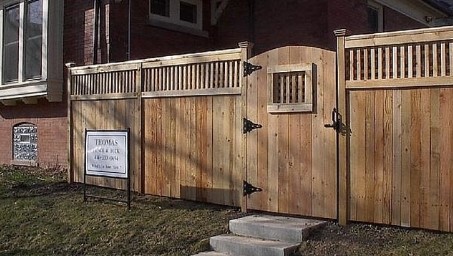
To add a touch of elegance and character to your wooden gate, consider adding finials or toppers. Finials are decorative accessories that can be attached to the top of the gate posts or pickets. They come in various shapes and designs, from simple balls to ornate scrollwork.
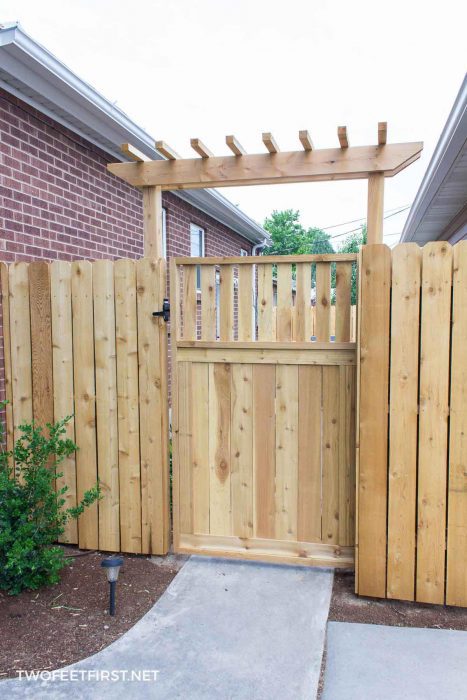
Toppers, on the other hand, are decorative elements placed on the upper edge of the gate itself. They can be shaped like arches, diamonds, or custom designs, adding uniqueness and style to your gate.
Carefully choose finials or toppers that enhance the overall look of your gate and complement the architectural style of your property.
Incorporating Lattice or Fretwork
Lattice or fretwork can add a touch of elegance and privacy to your wooden gate. By incorporating lattice panels or fretwork designs, you can create an attractive visual element while still maintaining airflow and light.
Measure the dimensions of the lattice or fretwork panels to ensure a proper fit within the gate frame. Attach the panels securely to the gate, making sure they are level and aligned with the overall design.
Exploring Custom Design Options
If you want to make your wooden gate truly unique, consider exploring custom design options. This may include personalized carvings, inlays, or metal accents.
Custom design elements offer the opportunity to showcase your creativity and make a statement. Consult with a professional woodworker or explore various design resources to bring your vision to life.
Maintaining and Caring for Your Wooden Gate
Regular Cleaning and Inspection
To prolong the lifespan of your wooden gate, regular cleaning and inspection are necessary. Remove any dirt, dust, or debris using a soft brush or cloth. Inspect the entire gate for signs of damage, rot, or loose components.
Clean and inspect your gate at least twice a year or more frequently if it is exposed to harsh weather conditions. Regular maintenance will help identify minor issues before they turn into major problems.
Repairing Damaged or Loose Components
If you notice any damaged or loose components during your inspection, it’s important to address them promptly. Repair or replace any cracked or rotted wood, tighten loose screws or nails, and ensure that the gate frame is still square and level.
By addressing minor repairs early on, you can prevent further damage and maintain the functionality and safety of your gate.
Reapplying Finishes and Sealants
Over time, the finishes and sealants applied to your wooden gate may wear off or become damaged. It’s important to regularly reapply or touch up these protective coatings to maintain the gate’s appearance and durability.
Follow the manufacturer’s instructions for reapplication and make sure to clean and lightly sand the surface before applying the new finishes or sealants. This will ensure proper adhesion and a consistent finish.
Safety Considerations and Local Regulations
Ensuring Proper Gate Height and Clearance
Safety should be a top priority when building a wooden gate. Before starting your project, check local regulations that specify the minimum height and clearance requirements for gates.
For security and child safety, ensure that the gate height is sufficient to prevent easy access. Additionally, make sure there is enough clearance for the gate to swing open and close without obstruction.
Installing Childproof Locks or Latches
If you have young children or want to enhance the security of your property, consider installing childproof locks or latches on your gate. These specialized locks or mechanisms are designed to keep children safe and prevent uncontrolled access.
Research different childproof lock options and choose the one that best suits your needs and budget. Install the lock or latch at a height that is out of reach for young children but still easily accessible for adults.
Checking Local Building Codes and Requirements
Before starting any construction project, it’s essential to check local building codes and requirements. These regulations can vary from one area to another and may include specific guidelines for gate construction and installation.
Ensure that your wooden gate complies with local regulations to avoid any penalties or delays. Consult with local authorities or hire a professional if you are unsure about specific requirements.
In conclusion, building a wooden gate is a rewarding DIY project that requires careful planning, attention to detail, and the use of quality materials and tools. By following this comprehensive guide, you can create a beautiful and functional wooden gate that enhances the aesthetic appeal and security of your property. Remember to prioritize safety, maintain your gate regularly, and adhere to local regulations to ensure a successful and long-lasting project. Happy building!